






Fresh produce is one of the most critical components of a healthy diet, providing essential nutrients, fiber, and antioxidants that support overall well-being. However, understanding what constitutes “fresh” can be complex, especially when it comes to storage and shelf life.
What is Fresh Produce?
The term “fresh” refers to food products that are harvested at peak ripeness and have not been processed or preserved using heat treatment, radiation, or other methods that alter their natural composition. Fresh produce includes fruits, vegetables, herbs, nuts, seeds, and sprouts grown in various conditions, such as https://freshcasino.ie/ open fields, greenhouses, or indoor vertical farms.
Types of Fresh Produce
Fresh produce encompasses a vast array of products, each with unique characteristics and requirements for storage and handling:
- Fruits : Fruits are typically harvested at the peak of ripeness to ensure optimal flavor, texture, and nutritional content. Examples include apples, bananas, berries (strawberries, blueberries, raspberries), citrus fruits (oranges, lemons, limes), mangoes, pineapples, and tomatoes.
- Vegetables : Vegetables can be harvested at various stages of maturity to meet consumer preferences for texture and appearance. Common examples include leafy greens (lettuce, spinach, kale), cruciferous vegetables (broccoli, cauliflower, cabbage), root vegetables (carrots, potatoes, sweet potatoes), cucumbers, bell peppers, onions, garlic, mushrooms, asparagus, beets, corn, eggplant, okra, and squash.
- Herbs : Herbs are delicate plants used to add flavor and aroma to various dishes. Examples include basil, rosemary, thyme, oregano, parsley, mint, cilantro, dill, tarragon, chives, garlic scapes, and lemongrass.
- Nuts and Seeds : Nuts are the edible seeds of trees or shrubs that have a hard shell, while seeds are produced by various plants to ensure reproduction. Examples include almonds, walnuts, pecans, hazelnuts, pistachios, sunflower seeds, pumpkin seeds, sesame seeds, chia seeds, flaxseeds, and hemp seeds.
- Sprouts : Sprouted produce consists of young, germinated plant parts grown for consumption, typically within a week or two after sowing.
Storage Requirements
Proper storage is essential to maintain the quality and safety of fresh produce:
- Temperature Control: Fresh produce requires optimal temperature ranges:
- Fruits: Typically stored at temperatures between 32°F (0°C) and 50°F (10°C), depending on the type.
- Vegetables: Stored at temperatures around 40°F to 45°F (4°C to 7°C).
- Herbs: Kept in a cooler environment, often near 50°F to 60°F (10°C to 15°C) and high humidity levels.
- Humidity Levels : Fresh produce requires specific humidity ranges for optimal storage:
- Fruits: Typically stored at moderate humidity (80-90%) or high humidity (>95%).
- Vegetables: Stored with relative humidity around 70% to 90%.
- Herbs and Nuts/Seeds: Prefer drier conditions.
- Air Circulation : Fresh produce requires adequate air circulation for maintaining quality:
- Fruits: Encourage aeration by covering fruit bunches or separating them in storage bins.
- Vegetables: Maintain good airflow within cold storage areas to avoid moisture accumulation.
Shelf Life
Shelf life is an essential aspect of managing fresh produce, considering the perishable nature and potential bacterial growth:
- Average Shelf Life : Common examples include:
- Leafy Greens (3-5 days), Cruciferous Vegetables (10-14 days).
- Root Vegetables (2-4 weeks) and Citrus Fruits (6-12 months when stored properly in a cool, dry place or refrigerated at optimal temperatures).
- Herbs can be used for 1-3 weeks after harvesting; some will last longer than others.
- Factors influencing shelf life include:
- Temperature
- Humidity levels
- Handling and transportation conditions
- Harvesting techniques
Labeling and Packaging
Regulatory bodies worldwide mandate labeling to ensure consumers are aware of the product’s origin, handling practices, and any potential allergens or safety concerns.
- Country-of-Origin Labeling : Regulations vary; some countries require this information.
- Handling Claims : Labels may specify “washed,” “dried,” or other handling practices that contribute to freshness.
Nutrient Content
Consumers often prioritize nutrient content in their fresh produce choices, recognizing the importance of vitamins and minerals for optimal health.
- Key nutrients include:
- Folate
- Fiber
- Vitamin C (often denoted as % Daily Value on labels)
- Antioxidants
Regional Variations
Agricultural practices, consumer preferences, and regulations differ significantly worldwide:
- Climate-specific produce : Regions can grow unique products well-suited to local conditions.
- Regulatory policies affecting imports, exports, or labeling requirements.
When planning meals around fresh produce, it’s essential to understand how its freshness, storage methods, shelf life, nutrient content, and regional considerations all come together for optimal health benefits and a satisfying culinary experience
 XE TẢI THÙNG
 XE TẢI BEN
 XE ĐẦU KÉO
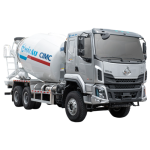 XE BỒN TRỘN
 SƠ MI RƠ MOOC
 XE CHUYÊN DỤNG
 CẨU XCMG