
This is because the CBP is authorized to audit any imports within that timeframe, and goods subject to CV/AVD can take a significantly longer time to resolve. Add in this new high-duty environment, and this sentiment has only intensified in the US. What is CBP looking for when it detects anomalies or issues with imports? As of this moment in April 2025, they have completed around 200 audits and have already reached $134 million. To put that in perspective, according to CBP’s own posted statistics, last year, the amount collected exclusively due to importer audits was $117.67 million, following 417 audits.
Businesses may confidently manage the difficulties of international commerce by adhering to these 10 essential measures for customs compliance. Businesses may avoid customs audits, delays, legal concerns, and brand harm by managing compliance. Businesses may prevent delays, customs clearance, and supply chain interruptions by fulfilling all regulations and following processes..
There are many ways to ensure a good customs compliance position, but the most important thing is knowing the regulations and understanding the process. Your company’s business depends on international trade, but that doesn’t mean you can ignore customs compliance requirements. These customs compliance steps give importers and exporters a clear framework to stay on top of their obligations, reduce audit risk, and optimise their operations. It is not achievable without a deliberate decision to govern customs risk as a system rather than a collection of local practices.

Submit Documents and Ensure Compliance
The decision to make a voluntary disclosure is not an operational one. In many countries, customs authorities now expect businesses to demonstrate structured internal compliance programmes as a condition of audit readiness, not simply as evidence produced after a problem arises. The most common compliance failure is not a deliberate breach or a lack of effort at operational level. With AI-powered and machine-learning capabilities, iCustoms is designed to streamline your all customs procedures in a few minutes, cut additional costs and save time.
Record-keeping and audit readiness
- The businesses that manage customs audits most effectively are not those with the most resources.
- With AI-powered and machine-learning capabilities, iCustoms is designed to streamline your all customs procedures in a few minutes, cut additional costs and save time.
- It means having a process for identifying and escalating errors before customs authorities do.
- Customs compliance is often ignored until it causes delays, surprise costs, or worst of all, audits that can bring your global operations to a grinding halt.
- This reliability strengthens their reputation in international markets and makes them preferred partners for global supply chains.
- Software like Emma Compliance can streamline the customs compliance process and help ensure accuracy.
It means having a documented valuation methodology that applies consistently and can be defended under audit. It is a governance model that assigns central ownership of customs risk, establishes consistent standards across all markets, and embeds compliance into operational processes rather than treating it as a parallel activity. Finance bears the cost of duty errors, manages financial guarantees and bonds, and carries the balance sheet risk of unquantified retrospective exposure. Procurement decisions determine which https://flarealestates.com/transforming-business-efficiency-with-acumatica-erp-real-world-success-stories.html duty-saving mechanisms are available and whether origin rules can be met. Customs compliance is not a legal or logistics function in isolation. It means establishing consistent standards, documented decision rules, and clear ownership of customs risk at group level, while allowing local teams to execute within that framework.
Getting things right first time saves money and delays, improves customer service and reduces your risks
- In summary, customs compliance is a vital part of any successful business.
- Comprehensive reference manual for U.S. customs clearance covering CBP processes, documentation requirements, ISF filing, entry procedures, and Partner Government Agency compliance.
- Customs and trade compliance is adhering to the regulations and laws that control imports, exports, and international trade in order to assure legal and ethical business practices.
- By facilitating customs clearance, international trade compliance enhances supply chain efficiency, lead times, inventory management, and operational efficiency.
- The seven main pillars of customs compliance cover several core areas that ensure goods move legally and efficiently across borders.
It allows companies to make the most of advantageous trade deals and streamline supply chain operations. Export regulations, enforcement of rules of origin, and maintaining transaction records are some aspects of business that fall within customs compliance. It requires ensuring that all shipments entering and leaving the country meet local customs requirements. Customs compliance is adhering to the guidelines from the relevant governments and customs authorities set forth for international trade. Just as Sphere has revolutionized worldwide sales tax and VAT compliance with AI-powered automation, we’re bringing the same innovative approach to customs compliance.
Let’s Talk About Audits

Consult the following resources to build a stronger understanding of customs compliance and practical ways to apply it in your business. The seven main pillars of customs compliance cover several core areas that ensure goods move legally and efficiently across borders. It ensures that businesses accurately declare their shipments, pay the correct duties and taxes, and meet all documentation and licensing requirements set by customs authorities. Look for experts who have experience in your specific industry and a https://dailyscreak.com/ford-motor-company-case-study.html deep understanding of local customs requirements. With constantly changing regulations, diverse cultural norms, and complex supply chain processes, businesses can find it difficult to keep up with customs compliance requirements. Being compliant includes understanding and adhering to the laws, regulations, and procedures put in place by national government and multinational authorities to govern international trade.
 XE TẢI THÙNG
 XE TẢI BEN
 XE ĐẦU KÉO
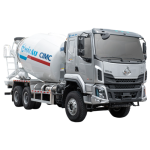 XE BỒN TRỘN
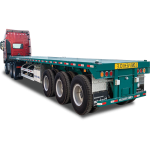 SƠ MI RƠ MOOC
 XE CHUYÊN DỤNG
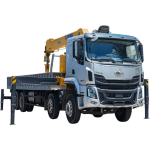 CẨU XCMG